Whether I am building your brand’s identity or designing individual assets, my process is the same — iterative and collaborative, but most importantly dedicated to creating something that aligns with and clarifies your intention.
name
How you introduce your brand.
Naming a company is more than choosing a word that “sounds like” the brand: coming up with something that is both relevant and original is requires a broad association range and gumption. Mindfully navigating cultural associations and respecting trademarks is delicate work. Striking the perfect balance between familiar and exciting is an art form and an equation. Over the past eight years, I have developed and refined a unique matrix for creating, comparing, and refining business names. Tap into this resource.
usp
Unique selling proposition: what makes you different.
As an entrepreneur, the most important question you should be asking yourself is not “How do I compare?” but rather “How am I original?” Identifying and capitalizing on your authentic value is a roadmap to growth.

values
Guiding principles.
Ever heard the someone talk about seeing the world through “rose-colored glasses”? Combined, these are the tint on the glasses you wear to every company decision. They influence what you prioritize, look for, and create. Having a core set of values helps your company establish credibility, reliability, and trust with customers.
mission
A brief story: who you are, what you do, & where you are going.
A mission statement paints an aspirational picture of a future where your company realizes its fullest potential. It is a value-driven dream, inviting customers to help bring it to life.
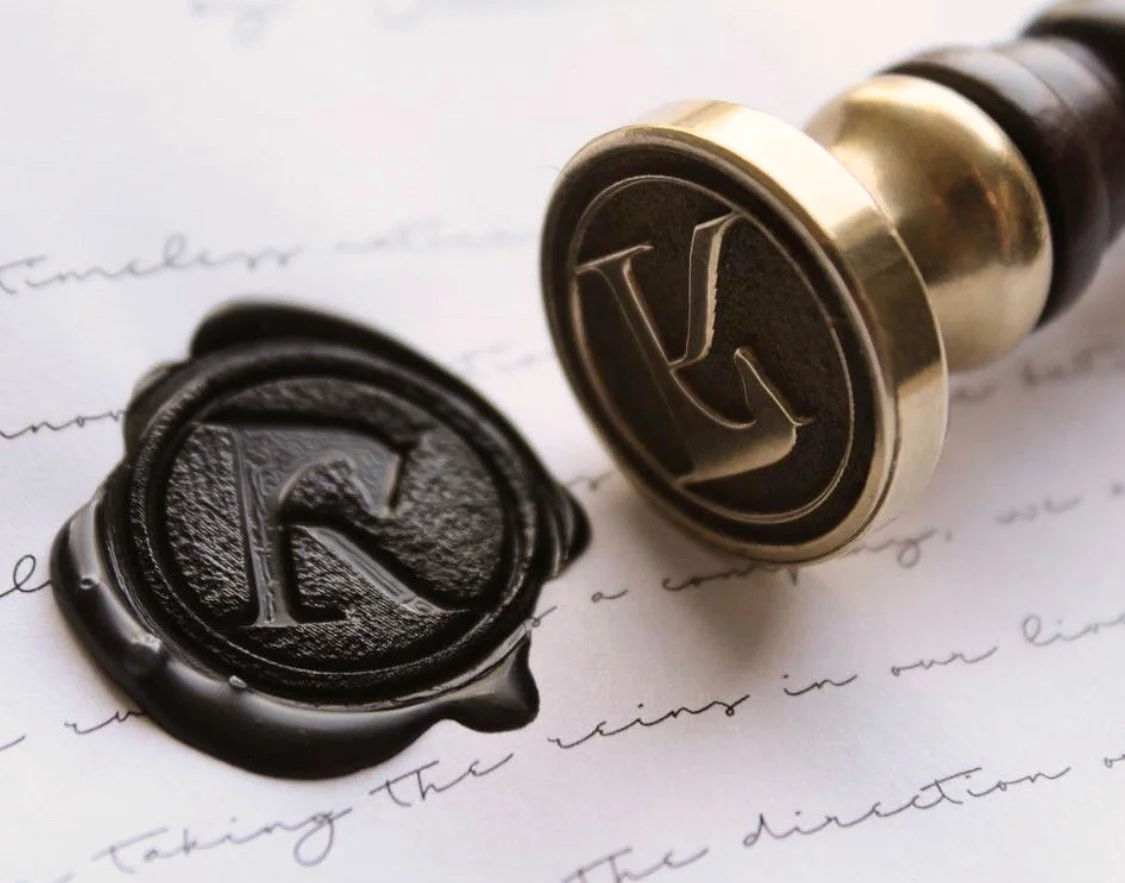
tagline
A phrase that captures your brand’s position & personality.
A motto, or tagline, is the elevator pitch of your elevator pitch - in your brand’s voice. For example, Nike isn’t Nike without “Just Do It.” When paired with a jingle, a tagline can be an effective and memorable tool for creating a emotional connection with your customer.
voice
If your brand was a person, this is how they would talk.
The way someone talks to you impacts the way you feel about them - and yourself. A brand voice works in the same way. It casts the brand into a role in its audience’s play. Is the brand an advocate, relatable big sister, class clown, coach, partner in crime, grandma, - or someone else? The voice tells all.

mood board
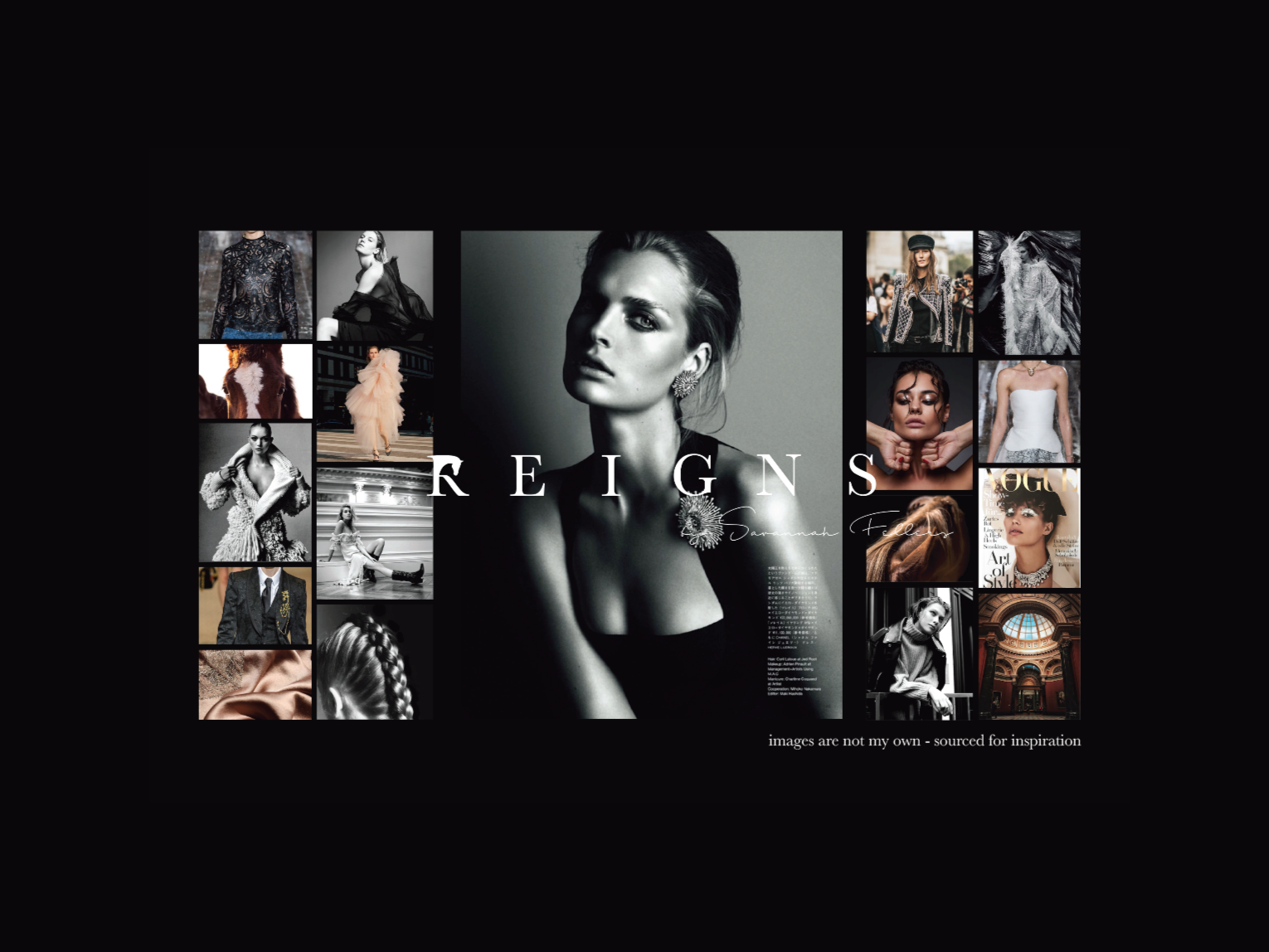
A compilation of cohesive images, forming an abstract personality.
The mood board is the first sketch; it is the concept in development. While its primary purpose is to serve as a clear path forward, it is also a means for finding common ground. Some things have to be seen to be understood.
logo
An original, artfully tactful identifying mark.
A logo is the brand’s autograph, signifying I made this, I do this, I am here, or you are here. It is your brand’s identity wrapped into a symphony of color, shape, line, space, and texture.

A simplified version of the logo or complementary identifier.
An icon is the brand’s initials. It is the nickname. It is the IYKYK mark. The icon is an incredible tool for building brand recognition without over-marketing, which can disengage customers.
icon
palette
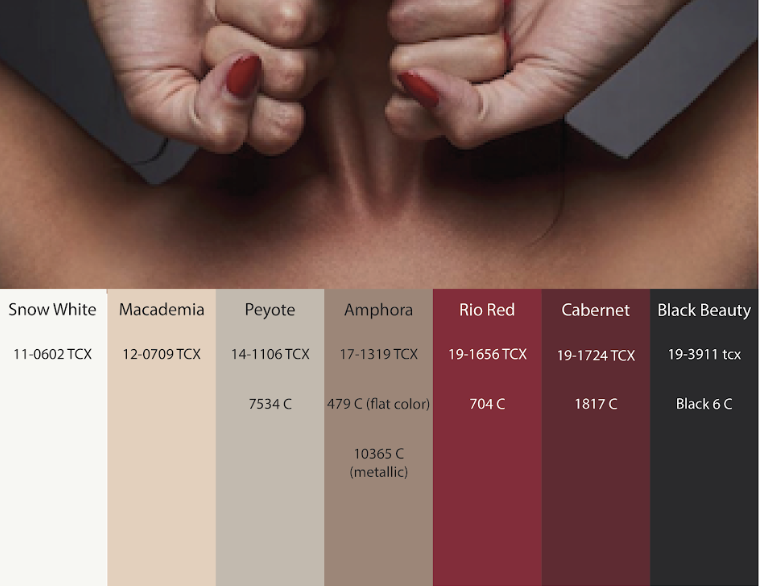
A hierarchical set of colors that work together to tell your story.
Color affects the psyche on a primal level, implying temperature, mood, age, and energy. Thus, it is a powerful complement to some of the more explicit aspects of a brand. Even more, custom colors can be a trademarked. Consider Tiffany blue, for example.
A custom combination of typefaces and text stylizations.
The same words hold different meanings when displayed in different fonts. The look and feel of your brand’s fonts should match its voice as well as its intended effect on customers.
type

brand guide
A roadmap to consistency.
Understanding the brand is one thing. Applying its aesthetic to new assets is another. This essential guide transforms your brand’s look and feel into a step-by-step recipe. Its sole purpose is to protect and preserve the integrity of the brand as you scale. Essentially, it is a playpen for your in-house creatives; it helps them find independence among boundaries.

brand guide
A roadmap to consistency.
Understanding the brand is one thing. Applying its aesthetic to new assets is another. This essential guide transforms your brand’s look and feel into a step-by-step recipe. Its sole purpose is to protect and preserve the integrity of the brand as you scale. Essentially, it is a playpen for your in-house creatives; it helps them find independence among boundaries.

style
Guidelines for branded imagery & graphics.
Stylized imagery offers a window into the brand’s world and its mind’s eye. Achieving a recognizable look and experience requires a consistent combination of edits and/or illustrations. A popular example of this is Love Shack Fancy, a brand whose imagery layers a pink haze over victorian settings, bows, and frills to create a girlhood dream — a feminine fantasy land.

digital impression
High-level strategy for your online presence.
Approximately 1 in 3 consumers prefer to find - and over 3 in 4 of Gen Z consumers are likely to discover - new brands on social media. If you want to grow your brand, invest in your online presence.

touchpoints
Interactive manifestations of your brand.
A touchpoint is a holistic branded experience. With all five senses in mind, we will mock up three touchpoints of your choosing that feel most relevant to your brand. Touchpoints could include, but are not limited to:
ad, apparel, customer service collateral, billboard, business cards, drinkware, email newsletter, hang tag, info sheet, office accessory, custom repeat pattern, social media post, stationary, surface pattern design (example: custom tissue paper for shipping), trade show backdrop, wearable accessory